A $2 Billion Play: DistroKid Explores a Landmark Sale
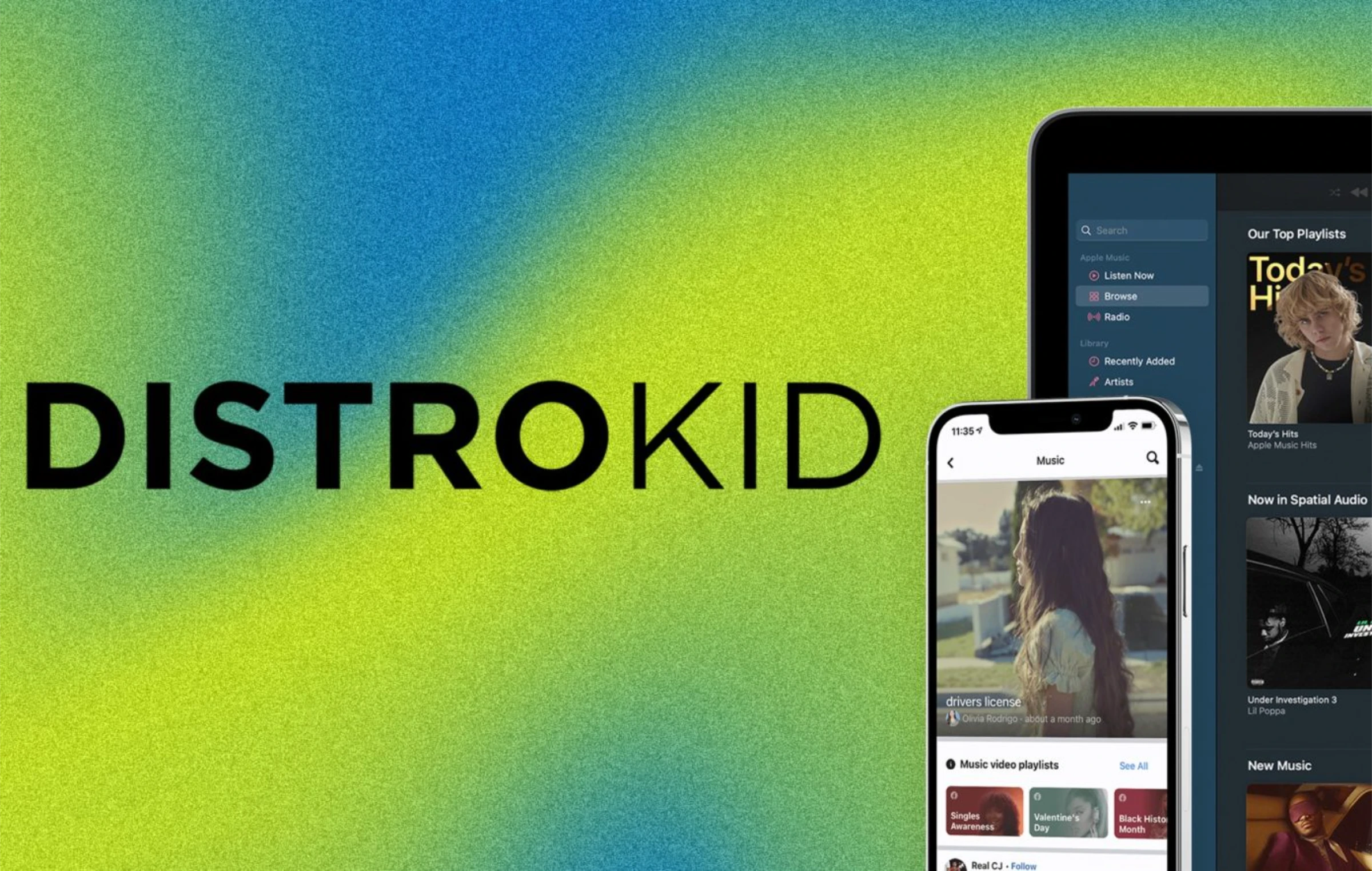

The 2026 Grammy Week has transformed into a massive showcase for music industry consolidation. Amidst rumors of BMG eyeing Concord for $7 billion and Sony’s new $3 billion acquisition fund, Music Business Worldwide recently reported that the DIY distribution titan DistroKid is officially exploring a sale. Represented by heavyweight financial firms Goldman Sachs and The Raine Group, DistroKid is reportedly seeking a valuation in the $2 billion to $2.5 billion range. This potential exit comes just five years after the company was valued at $1.3 billion following a "substantial" investment from Insight Partners, signaling a nearly 100% increase in the platform's perceived market value.
The $2 billion price tag is a reflection of DistroKid’s sheer dominance in the "high-volume" sector of the industry. The New York-based firm currently claims to process between 30% and 40% of all new music releases globally, serving over 2 million artists. In an era where streaming platforms are being flooded with over 100,000 new tracks daily, DistroKid has positioned itself as the essential "utility" for the independent creator. By charging a flat annual fee rather than taking a percentage of royalties, the company has built a highly predictable, subscription-based revenue model that is incredibly attractive to private equity and major music conglomerates looking to own the "entry point" of the creator funnel.
Strategic Diversification: From Distribution to Direct-to-Fan
The timing of the sale exploration is not accidental. Over the last 18 months, DistroKid has aggressively moved to diversify its revenue beyond simple distribution. Following the 2023 acquisition of Bandzoogle, the company launched DistroKid Direct in late 2025—a sophisticated direct-to-fan platform that allows artists to sell print-on-demand merchandise, digital downloads, and vinyl without ever leaving the DistroKid ecosystem. This transformation from a "middleman" to a "full-stack artist services" platform has significantly increased its Average Revenue Per User (ARPU), making it a more robust acquisition target than its purely distribution-focused competitors.
Furthermore, the leadership transition in early 2024—where founder Philip Kaplan moved to Chairman and Phil Bauer took over as President—appears to have been the final step in preparing the company for a professional exit. As the industry gathers in Los Angeles for the Grammys, the speculation is focused on who might write the $2 billion check. While Spotify (which previously held a minority stake) or Apple would be the most "logical" tech buyers, many analysts believe a private equity firm or a major label group like Universal Music Group could see DistroKid as the ultimate "upstream" tool to identify and sign viral talent before they ever hit the mainstream charts.